
Bubble-Wrapped Projects

Autonomy — The desire to be self-directed. Mastery — The urge to improve our skills. Purpose — The desire to do something that has meaning and is important. These motivators, documented in Daniel Pink’s book Drive, originate from the 1971 research of psychologists Harry Harlow and Edward Deci, and have been reinforced in numerous studies, […]
Fundamentals of Spring Hanger Application
For power and process piping in industrial plants, spring hangers or supports are often required to meet the design criteria of those piping. Spring hangers are not very complicated assembles. However, it is still important for an engineer to understand why they need to use spring hangers to piping, how they work in the field, […]
Difference In DIB and DBB Ball Valve
When we use API 6D to design ball valves, the most important part is to design the valve seat. Different valve seat will have valve perform different functions. In API 6D we have two different types of valve seats called as Single Piston Effect (SPE) and Double Piston Effect (DPE) seats. Using these two kinds […]
Introduction to ASME B31J Standard

Introduction to ASME B31J Standard 1. What is “ASME B31J Standard” There are many diverse shapes of pipe fitting components, such as bends or tee connections. In comparison with run pipe, fittings have more or less flexibility depending on shape and discontinuity, and thus, stress level on fittings is different from stress on […]
Are you modelling Axial Soil Springs correctly for Pipeline Design/Stress Analysis?
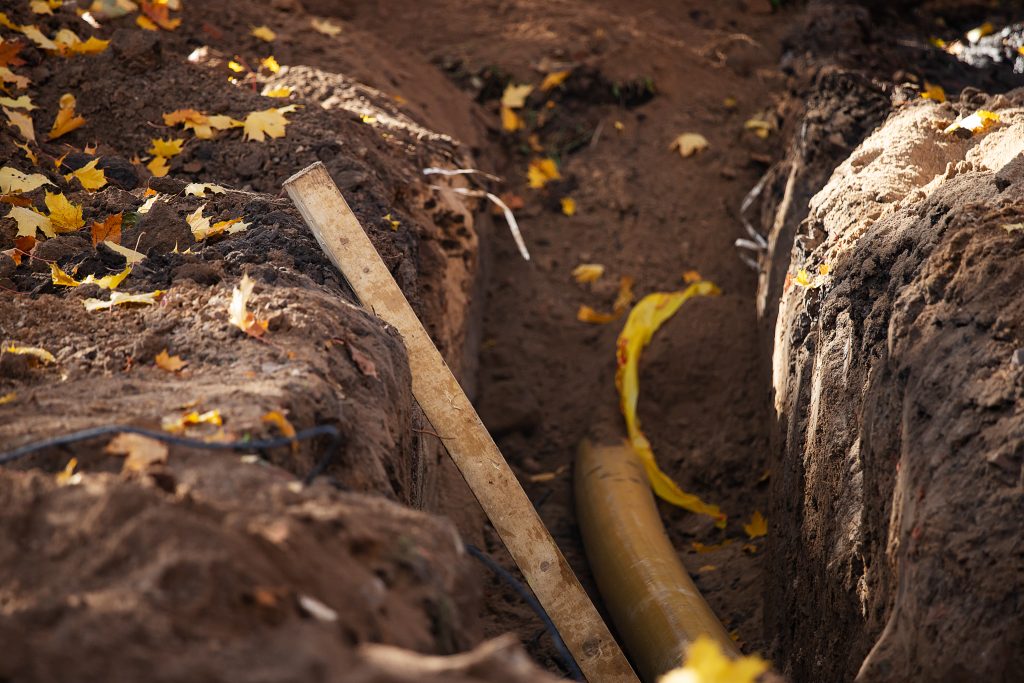
A critical review of the definition of soil springs in the available design guidelines – Part – I: Axial Soil Springs Axial soil resistance plays an important role for pipeline stress analysis or pipeline design against the landslides along the pipelines. There is a significant difference in the two current design guidelines (ALA 2005 and […]
Anti-Vibration Piping Design of Reciprocating Machinery System – Structural Design Requirement
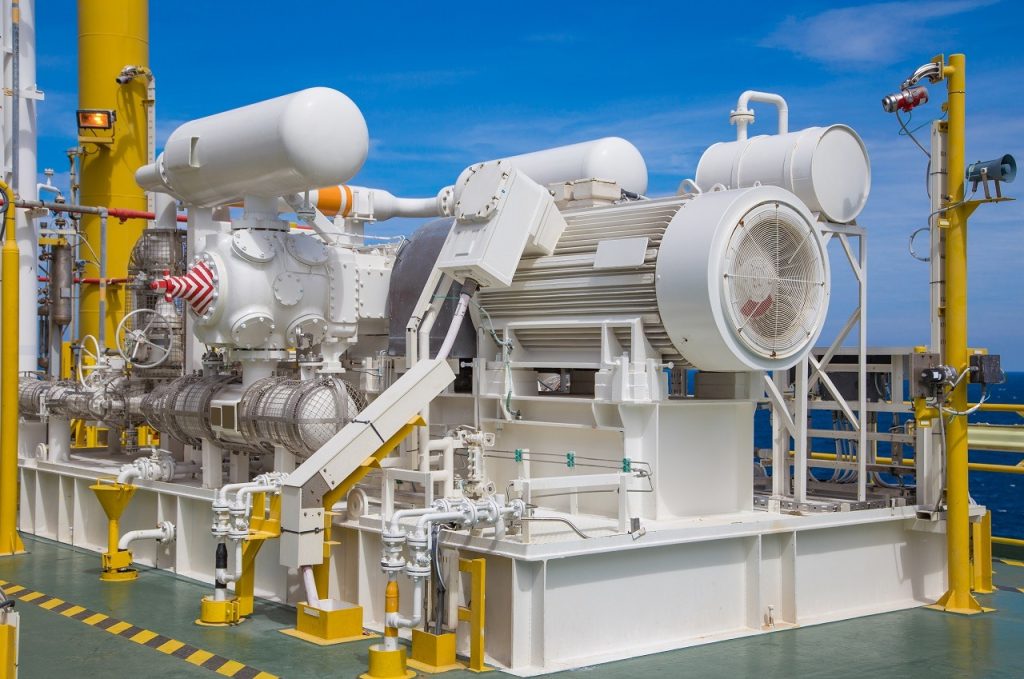
Reciprocating machinery (i.e. reciprocating compressors, pumps) is a common source of piping vibration and fatigue failure. Pressure pulsations due to flow modulations generated from the cylinder crank mechanism propagate through piping in the form of harmonic excitation. These pulsations create acoustic resonance in the piping when the natural frequency of the piping system and its […]
Few words about piping classes (Part 2)

Part 1 of this series can be read here. In this part, the following topics are discussed. Governing documents Piping class structure Typical piping components in a piping class Required information for components Governing Documents A piping class concisely captures the requirements regarding design, materials, fabrication, examination, inspection and testing of piping systems from applicable […]
Few words about piping classes (Part 1)

In a nutshell, a piping class is a collection of pipe, fittings, flanges, valves and other auxiliary components and a set of rules required to design and construct a leak-free piping system. The purpose of the piping class is to standardize the components and summarize the applicable design requirements to reduce errors in the design, […]